
Click here to Responsive Table
headline 1A text 1B text 1X text 1headline 2C text 2D text 2L text 2headline 3U text 34G text 3W text 3Slider Component with Text Image

Slide 1 Headline
Patients are at the core of what we do. This is why we partner with them at each stage of drug development and care delivery.
Slide 2 Headline
For people living with haemophilia, bleeds come in many different forms. Some are the result of minor injuries like bumps or falls, and some are spontaneous, meaning they happen without an obvious cause. Most of these bleeds can be easily detected. But there’s another type of bleed: microbleeds. 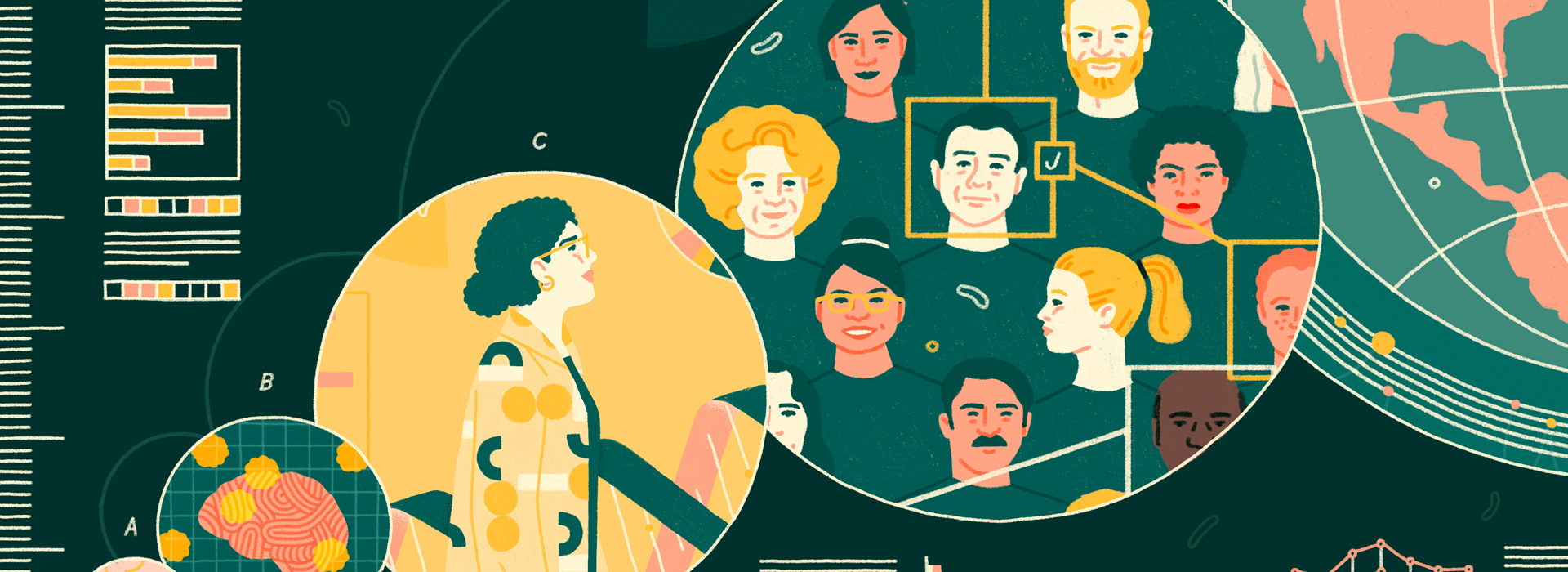
Slide 3 Headline
We are witnessing a digital revolution in healthcare. The responsible use of data and new technologies are helping cancer patients across the continuum of care to get better treatment and better quality of life.

Slide 4 Headline
Eine Mondmission scheitert natürlich auch dann, wenn die Rakete nie am Mond ankommt – beispielsweise aufgrund von Asteroiden, die ihr den Weg versperren. Ähnlich verhält es sich, wenn unsere Immunzellen zwar aktiviert werden, es ihnen aber nicht gelingt, zum Krebsgeschwür vorzudringen. Natürliche Hindernisse, wie zum Beispiel Blutgefäßwände oder Bindegewebe, können den Weg zum Tumor versperren.
Video Component with Brightcove Video
Accordion Component with 2 subitems
- Accordion Tab 1
- Accordion Item 2
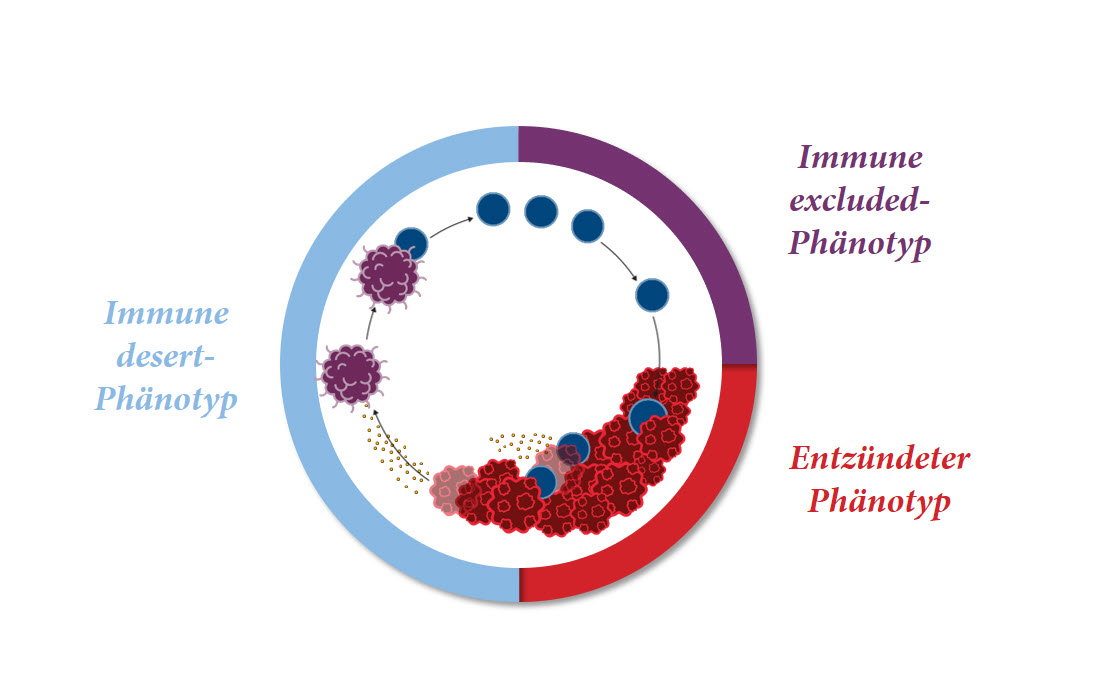
Aufbauend auf dem Krebsimmunzellzyklus wurde ein neuesModellentwickelt. Dieses spannt eine Brücke zwischen neusten wissenschaftlichen und klinischen Erkenntnissen und erklärt zugleich, warum Krebsimmuntherapien bei jedem Patienten unterschiedlich wirken können. Gemäß diesem Modell gehen wir davon aus, dass sich alle Krebserkrankungen des Menschen je nach Immunstatus in drei Immunprofile – sogenannte Immunphänotypen – unterteilen lassen.
Um die drei Phänotypen besser zu verstehen, hilft ein Gedankenspiel, in dem man den Kampf unseres Immunsystems gegen den Krebs mit einer Mission zum Mond vergleicht…
Das Wissen darüber, wie Krebs entsteht und fortschreitet wächst jeden Tag. Und wir verstehen immer besser, welche Rolle dabei unser Immunsystem spielt. Diese Erkenntnisse bieten uns heute die einmalige Chance, personalisierte Krebsimmuntherapien zu entwickeln. Denn unser Ziel ist es, dass zukünftig jeder Patient genau die Krebsimmuntherapie erhält, die ihn für seinen persönlichen Kampf gegen die Krebserkrankung stark macht.

Lorem ipsum dolor sit amet, consetetur sadipscing elitr, sed diam nonumy
Tab Component with 2 subitems
- Tab item 1
- Tab Item 2
- 3rd tab
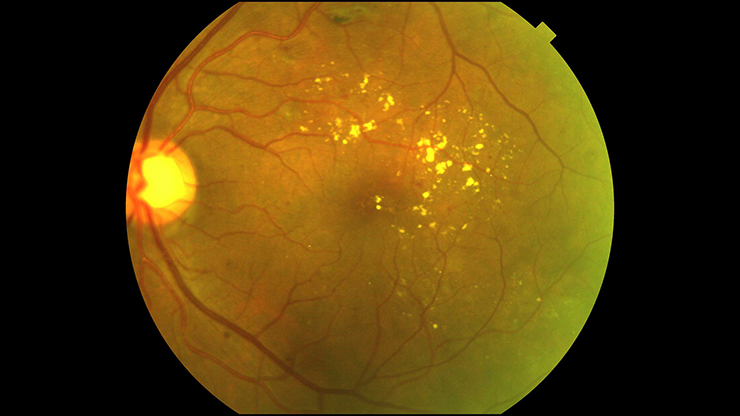
In deep learning, a computer trains itself to detect patterns and relationships in a set of training data, using hundreds of layers of analysis that each pick up different relevant features in an image without any guidance from a user. The system then applies its knowledge to novel input data of the same type. In this case, we gave our computers a large set of CFP and OCT data from participants in two large DME clinical trials to train on.
The deep learning system examined a total of 17,997 CFP images from ~700 patients and compared them with corresponding OCT thickness measurements. The best model we developed using this training set was able to predict macular thickness greater than the 250 micron threshold with an accuracy of 97 percent — an impressive level of performance. Deep learning could even do a reliable job of predicting the actual OCT measurement of the macula’s thickness from a CFP image if it was of sufficient quality.
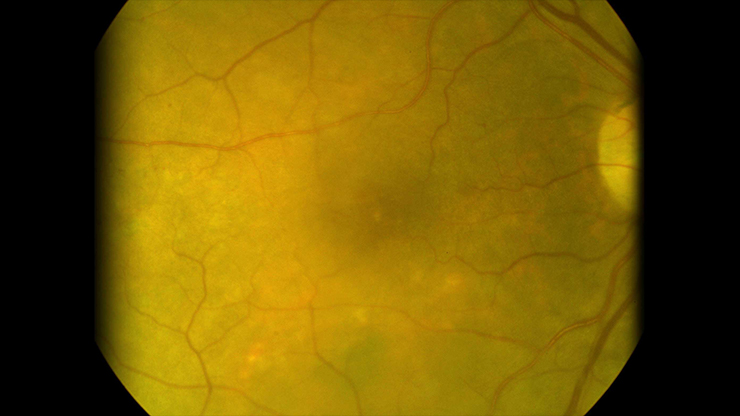
This initial finding surpassed our expectations, and we wanted to learn more about how it happened. When we looked into it, we were thrilled to find that the computer was focusing on the same parts of the images as specialists have been doing for years, such as the contours and calibre of blood vessels.
To test that finding, we still need to validate our system by testing it on other datasets. But presuming it works well, this tool could be of tremendous value to ophthalmologists as they treat patients with diabetes and DME. Once DME patients begin treatment, for example, many of them have to be seen every four weeks for OCT testing to ensure that their condition is not progressing. AI might enable people to use a cell phone camera to monitor their retinal tissue in real time, making it much easier for doctors to keep track of their patients’ need for and response to treatment. We could even envision an app to assess whether treatment is working. Such an innovation would not only be more convenient for patients, but also make them much more active participants in their own care. For ophthalmologists, the ability to estimate macular thickness with CFP would make it easier to identify the most urgent cases and treat them quickly and appropriately.
One important lesson of this experiment was the value of having a large clinical trial dataset to train our system on. Machine learning, which encompasses deep learning as well as other techniques that computers use to develop knowledge bases for data analysis, depends on robust, high-quality and representative training data for success. That is an asset that an organisation like ours possesses in abundance, in the form of lab measurements, clinical trial data and real-world information.
hello